
Add products by adding codes
Add a CSV file
Enter the product codes that you want to add to the cart in bulk (after a comma, with a space or from a new line).
Repeating the code many times will add this item as many times as it appears.
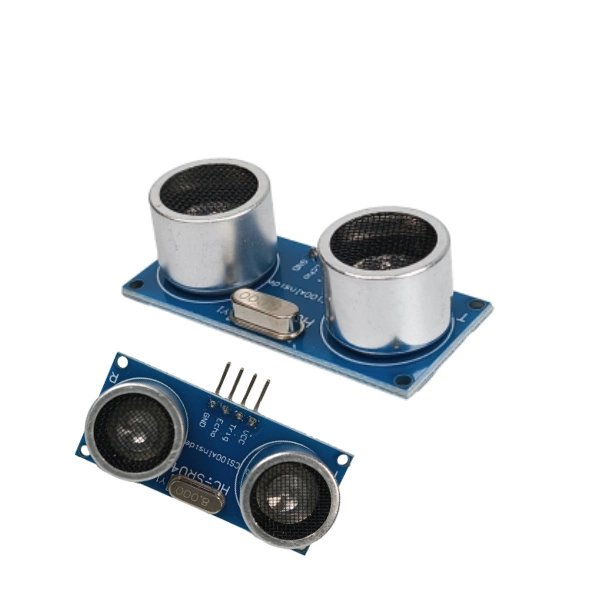
Sensor HC-SR04 - ultrasonic distance measurement 2-400 cm RCWL-9610A
Product code: 6231
- Ultrasonic distance sensor HC-SR04
- Looking for a precise distance measurement? **The HC-SR04** detector operates from 2-400 cm and is ideal for projects with Arduino and Raspberry Pi. **Reliable and easy to use**, perfect for alarm systems and
Sensor HC-SR04 - ultrasonic distance measurement 2-400 cm RCWL-9610A
$2.13
Ultrasonic distance sensor HC-SR04 for Arduino - 2cm to 400 cm

Description of the HC-SR04 sensor
Universal ultrasonic distance sensor operating from 2 - 400 cm. It is used to measure the distance to an obstacle, allows you to build alarm systems, robots, models, etc.
Special features of the HC-SR04 sensor
- Sensor commonly used to measure distance from obstacles (e.g., in autonomous robots)
- The output is a signal whose duration is proportional to the measured distance.
- Powered by 5 volts.
- Sensor is not susceptible to solar interference and object color.
- The sensor can be connected with any startup kit such as Arduino, or Raspberry Pi minicomputer.
- The leads are 2.45 mm goldpin connectors
- The HC-SR04 sensor is compatible with Arduino
- For the sensor we offer practical sensor holder
Parameters of the HC-SR04 sensor
- Supply voltage: 5 V
- Average current consumption: 15 mA
- Measurement angle 15*
- Measuring range: 2 - 400 cm
- Output: frequency signal
- Operating frequency: 40 kHz
- Layout: CS100A
- Dimensions: 45x20x15 mm
- raster connector 2.54mm
- The sensor itself supports a range of 2 to over 500cm, but is limited by the standard library to 300cm.
Important links
- Example of connection to Arduino
Description of the leads on the HC-SR04 sensor board
| ![]() |
Notes for connecting the sensor - How the sensor works
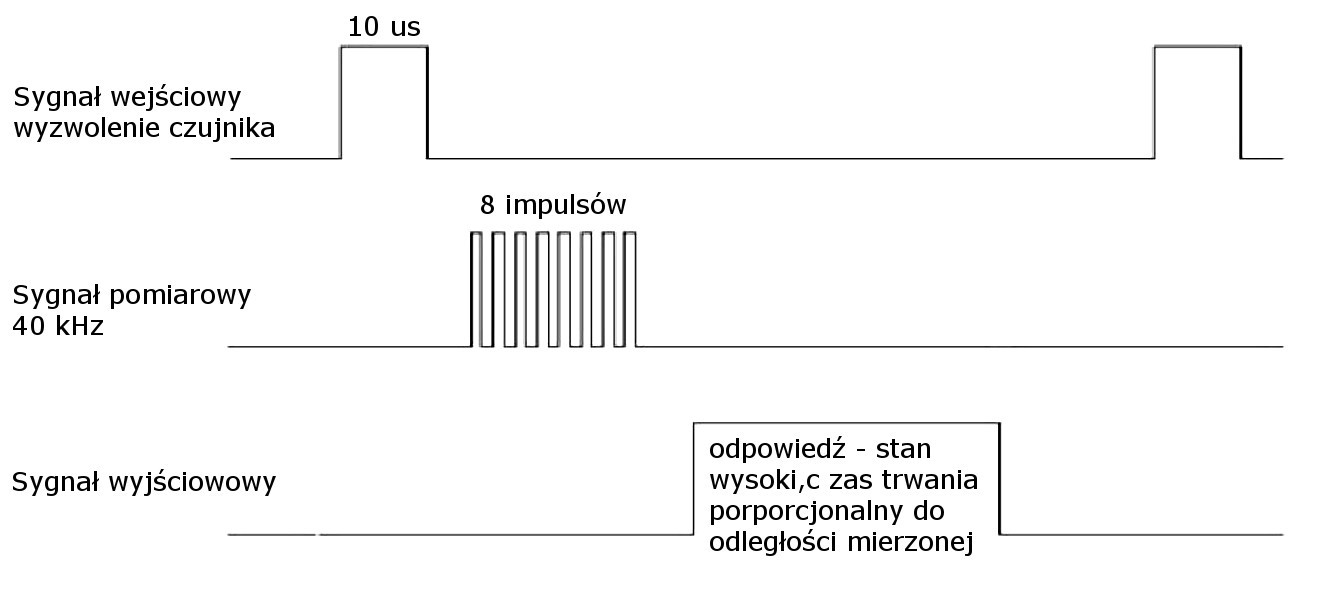
- To start the measurement, apply a voltage pulse (5V high state) to the TRIG pin for 10uS.
- The module measures distance using a 40 kHz sound wave.
- A signal is sent to the microcontroller in which the distance depends on the duration of the high state and can be calculated from the formula
- test distance = (high level time × velocity of sound (340m/s) / 2
- where:
- test distance - measured distance
- high level time - duration of high state
- velocity of sound - speed of propagation of sound wave in air - 340 m/s
In short, to get the result in cm, you can use the formula: distance [cm] = ( high level time [us] * 34 ) / 1000 / 2
The measurement procedure is shown in the figure below:

Video presentations
Write your opinion
Brand
Entity responsible for this product in the EU
JH Global Trading (HK) Co., LimitedMore
ProducerJH Global Trading (HK) Co., LimitedAddress:
Room G, Floor 10, Block A, Duhui Electronic Building, Huaqiang Road 10Postal Code: CN 518031City: ShenzhenCountry: ChinyPhone number: 86 075582557429E-mail: info@jh-electronica.com
Responsible entityLeda ABC-RCAddress:
Judy Tadeusza 9Postal Code: 34-122City: NidekCountry: PolskaPhone number: 333-003-080E-mail: pomoc@abc-rc.pl
Symbol
6231
Producer code
5904384711901
Manufacturer
abc-rc
inny
Other
Brand
Inna
Status
New
Manufacturer code
6231
no
Model
HC-SR04
Rodzaj
distance sensor
Ask for this product
Guide


Uspołeczniamy Arduino, czyli o czujnikach i komunikacji słów kilka
Gdy wiemy już jak zasilić diody, oraz jak napisać program, który będzie reagował na stan przycisków, warto teraz zainteresować się czujnikami. Dzięki wiedzy z tego artykułu będziemy w stanie podłączyć podstawowe sensory do Arduino. Wyniki wyświetlać na bieżąco na naszym monitorze.
Read more
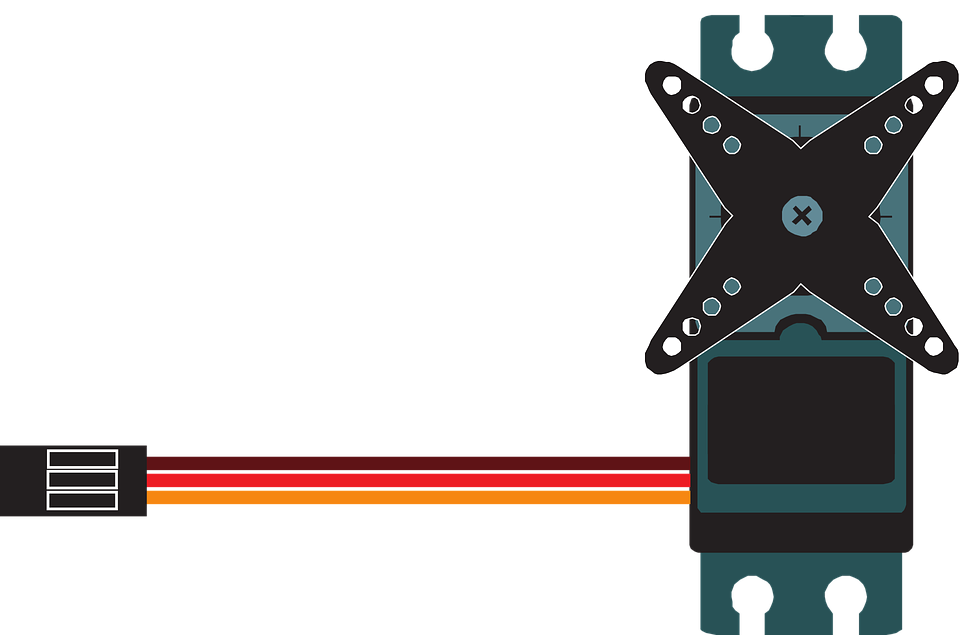

Serwo sterowane czujnikiem odległości
Witam, chciałbym zaprezentować prosty projekt, w którym pozycja serwa zależy od wskazań czujnika odległości. Dzięki temu serwo może wskazywać na miejsce, w którym aktualnie znajduje się jakiś przedmiot.
Read more
Kurs Arduino lekcja nr. 2
Wychodzimy poza płytkę, czyli pierwsze peryferia i jak je podłączyć.
Read more