
Add products by adding codes
Knobs - Knobs For Potentiometers
( quantity of products: 22 )Knobs and Knobs - Key Elements of Electronics

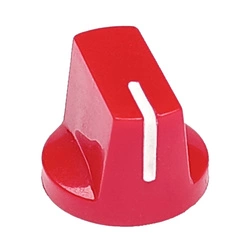
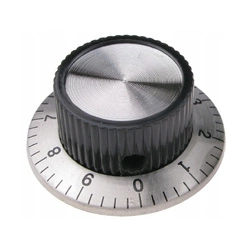

Pokrętło do potencjometru MF-A02 - gałka bakelitowa z rdzeniem miedzianym 6.35 mm
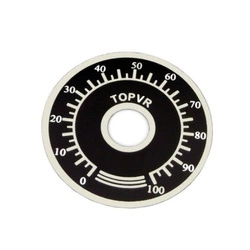


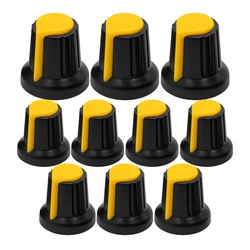


MF-A03 potentiometer knob - bakelite knob with 6.20 mm copper core
Knobs and Knobs - Essential Elements of Electronics
In our offer ABC-RC there are knobs for axial potentiometers,machine knobs and 3/4 knobs. These components are key elements in many electronic projects, from simple circuits to advanced automation systems.
Application of Knobs and Knobs
Knobs and knobs are used in a wide range of devices. They can be used to adjust volume, control temperature, change speed, or fine-tune parameters in measuring devices. Depending on the specifics of the device, they can have different shapes, sizes and mounting methods.
Division of Knobs and Dials
We offer various types of knobs and dials, including axial knobs,knobs for potentiometers,machine knobs i 3/4 knobs. Each of these types has its own specific applications and is tailored to specific technical requirements.
Selection of Knobs and Knobs
There are several factors to consider when choosing knobs and dials. First, the type and size of the axle to which they are to be attached. Secondly, the required range of adjustment - some knobs allow adjustment within a very narrow range, others are designed for a wide range of adjustment. Third, the mounting method - some knobs are mounted directly on the axle, others with special adapters.
Advantages of Using Knobs and Knobs
There are many advantages to using knobs and dials. First, they make it easier to adjust the parameters of the device, which is especially important for high-precision devices. Second, they improve the ergonomics of the device, which is important for devices that are used frequently. Third, they improve the aesthetics of the device, which is important for devices intended for sale.
Technical Construction of Knobs and Knobs
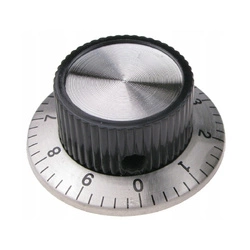
Knobs and knobs are usually made of plastic or metal. They can range from simple cylinders to more complex forms. Most knobs and dials have notches or tabs on their surface that make them easier to turn. Many of them also have scales that make it easier to read the set parameter.